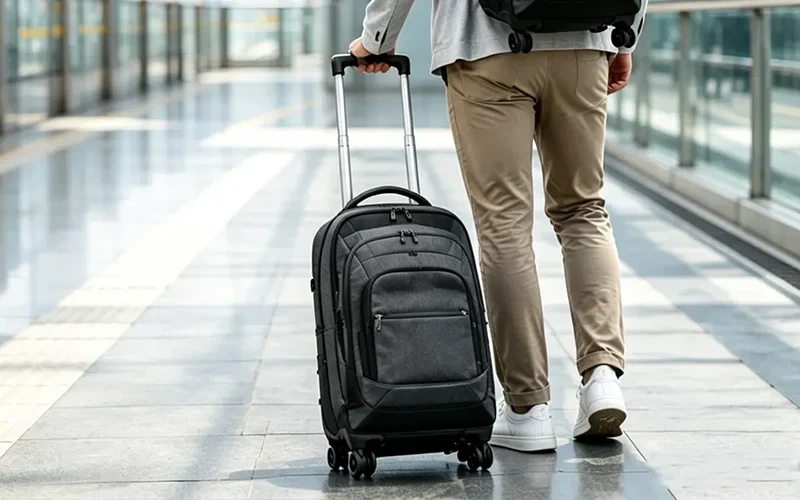
How Can a Large Capacity Wheeled Travel Bag Make Every Journey Easier and More Organized
As a travel bag supplier, Tianrui understands the importance of combining generous storage space, convenient mobility, and practical organization. A Large Capacity Wheeled Travel Bag offers travelers a flexible packing solution for extended holidays, family trips, business travel, and other journeys where luggage space and easy transportation matter.
A large-capacity wheeled travel bag helps travelers carry clothing, footwear, personal essentials, and travel accessories without relying on multiple smaller bags. By combining spacious storage with wheels and a practical carrying structure, this type of luggage can reduce the effort required to move belongings through airports, hotels, railway stations, and other travel environments. Choosing the right bag involves evaluating capacity, dimensions, wheel performance, handle design, material durability, internal organization, and storage requirements. This guide explains the main benefits, selection criteria, practical applications, and maintenance considerations that help buyers choose a travel bag suited to their needs.
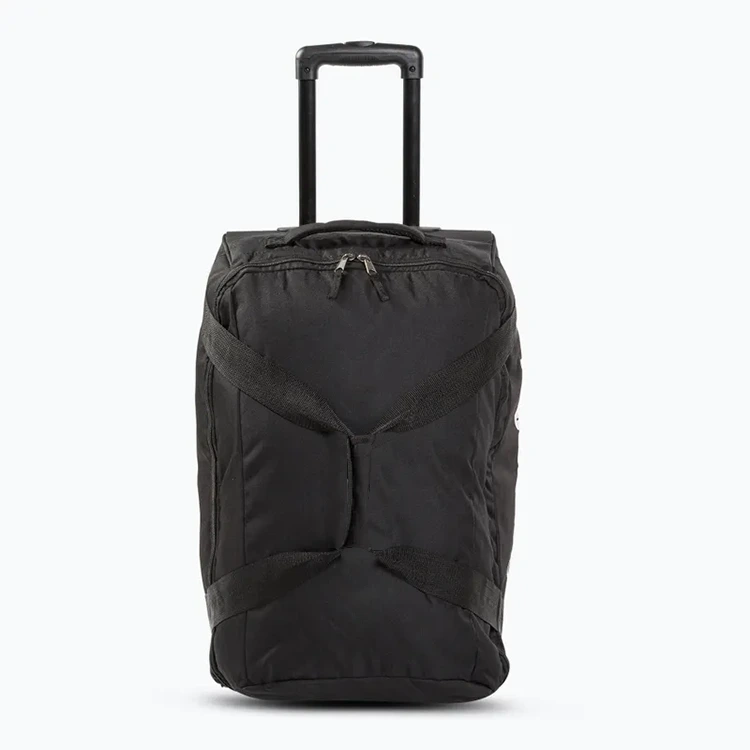
Table of Contents
1. What Is a Large Capacity Wheeled Travel Bag?
2. Why Do Capacity and Mobility Matter?
3. Which Key Features Should Buyers Evaluate?
4. How Do Materials and Construction Affect Performance?
5. How Can You Choose the Right Travel Bag?
6. What Are the Main Applications?
7. Comparison of Common Travel Bag Options
8. Packing and Maintenance Tips
10. Final Buying Considerations
What Is a Large Capacity Wheeled Travel Bag?
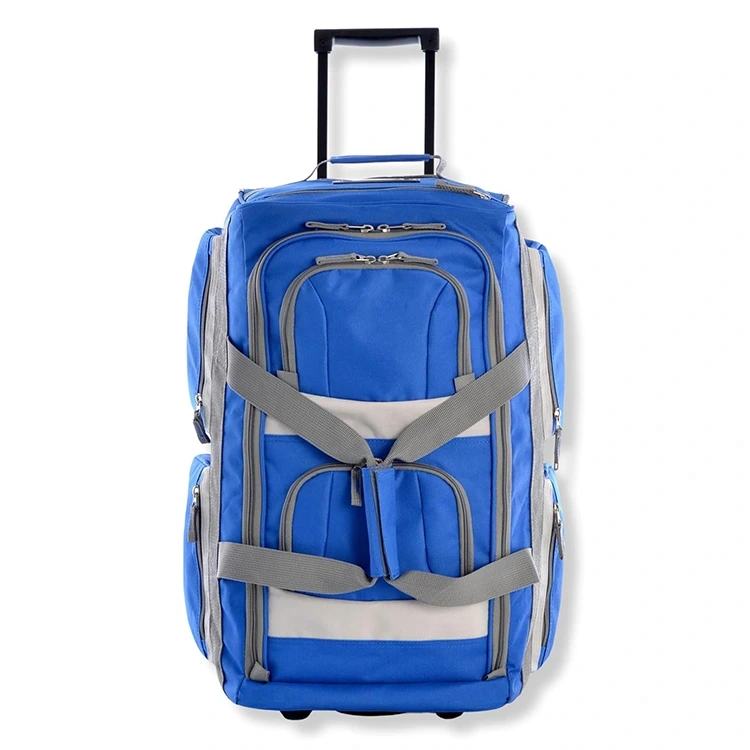
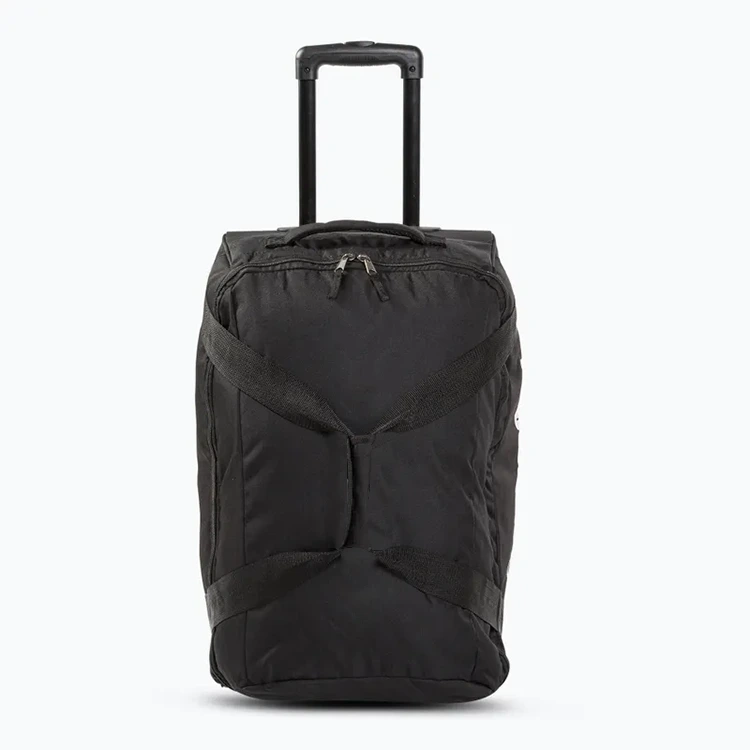
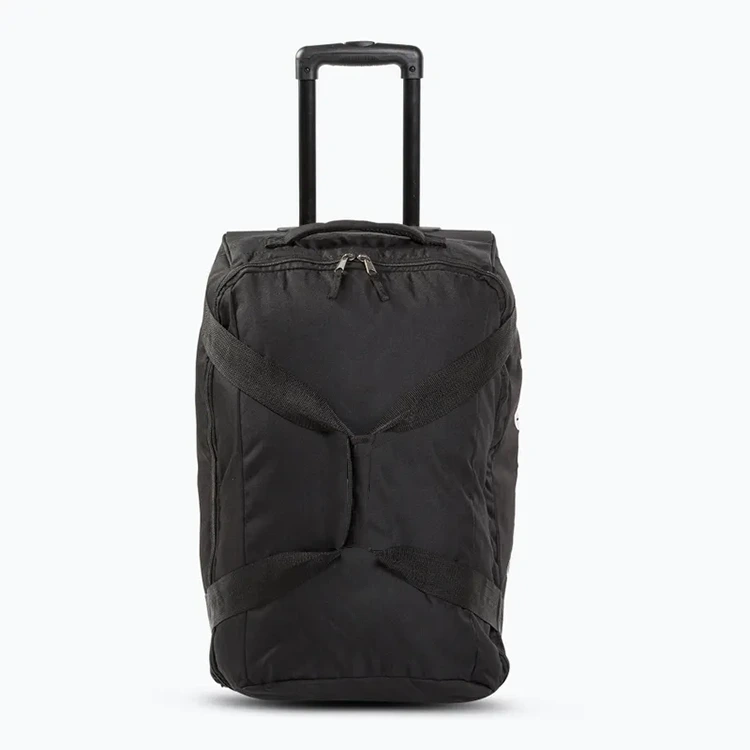
A large-capacity wheeled travel bag is a travel storage solution designed to accommodate a substantial amount of personal belongings while making transportation easier through an integrated wheel system. Unlike a conventional duffel bag that must generally be carried by hand or over the shoulder, a wheeled model allows users to roll their luggage across suitable surfaces.
Its main purpose is to balance storage capacity with practical mobility. Travelers can pack clothing, shoes, toiletries, travel documents, and accessories in one main bag, reducing the need to distribute their belongings among several separate pieces of luggage.
Depending on the design, a travel bag may include features such as:
- A spacious main compartment for clothing and larger personal items.
- Multiple pockets for organizing smaller accessories.
- Rolling wheels that support convenient movement.
- A telescopic handle or other pulling mechanism.
- Additional carrying handles for lifting and repositioning.
- Durable outer materials selected for regular travel use.
Not every model includes all these features. Buyers should review the actual product specifications to confirm its construction, dimensions, capacity, and functional details before making a purchasing decision.
For travelers who prioritize flexible storage and convenient transportation, a large wheeled bag can be a practical alternative to carrying several smaller bags.
Why Do Capacity and Mobility Matter?
Two important considerations when selecting travel luggage are how much it can hold and how comfortably it can be moved. A bag with generous capacity but an inconvenient carrying structure may become difficult to handle when fully packed. Conversely, a lightweight, easy-to-move bag may not provide enough space for an extended journey.
More Room for Travel Essentials
Additional storage space allows travelers to organize different categories of belongings in one location. Clothing can occupy the main compartment, while shoes, accessories, and personal items can be arranged separately when suitable pockets or dividers are available.
This arrangement is especially useful for:
- Family vacations involving clothing for several days.
- Long-distance trips requiring additional personal essentials.
- Seasonal travel with bulky jackets or other layered clothing.
- Business trips that require clothing, documents, and accessories.
- Road trips where flexible packing space is valuable.
Reduced Carrying Effort
Wheels help transfer part of the transportation effort from carrying to rolling. This can make a loaded bag easier to move through airports, hotel corridors, railway stations, and other environments with suitable surfaces.
However, wheels do not eliminate every handling challenge. Stairs, uneven pavements, gravel, and crowded spaces may still require lifting or additional maneuvering. The total packed weight, wheel design, handle comfort, and bag balance all influence the actual user experience.
More Convenient Packing
A spacious compartment provides greater flexibility when arranging clothing and accessories. Packing cubes, laundry pouches, and small organizers can further improve the use of available space while helping travelers keep clean clothing separate from worn items.
Which Key Features Should Buyers Evaluate?
Not all wheeled travel bags provide the same combination of capacity, durability, and convenience. Evaluating several practical features can help consumers and wholesale buyers identify a product that meets their intended requirements.
1. Storage Capacity and Dimensions
Capacity determines how much a bag can accommodate, while its external dimensions affect transportation and storage. A large interior does not automatically mean the bag is suitable for every airline, vehicle, or storage compartment.
Before choosing a model, consider the trip duration, number of travelers, clothing requirements, and any transportation restrictions. Air travelers should verify the applicable checked-baggage size and weight limits rather than assuming that a large wheeled bag will qualify as carry-on luggage.
2. Wheel Quality and Maneuverability
The wheel system directly influences how the bag moves when loaded. Wheel size, material, attachment strength, and placement can affect rolling performance and stability.
When comparing products, evaluate whether the wheels rotate smoothly, remain securely attached, and suit the surfaces on which the bag will typically be used. If possible, test the bag with a representative load instead of assessing wheel performance when it is empty.
3. Handle Design
A comfortable handle helps users control the bag while walking. A telescopic handle should extend and retract smoothly, remain stable during normal movement, and provide a comfortable pulling position for the intended user.
Carrying handles also matter because wheeled luggage sometimes needs to be lifted into a vehicle, placed on a luggage rack, or moved up stairs.
4. Compartments and Accessibility
Internal and external pockets make it easier to organize frequently used items. Depending on the product design, separate compartments may accommodate footwear, travel documents, chargers, toiletries, or small accessories.
Buyers should look for an arrangement that supports their packing habits rather than assuming that a higher pocket count always means better organization.
5. Closure and Security
Zippers, buckles, and other closure systems should operate reliably and suit the expected travel environment. Buyers who frequently travel by air may also want to evaluate whether the bag accommodates an appropriate luggage lock.
Security features vary by model, so specific locking mechanisms and their compatibility should be confirmed with the supplier.
How Do Materials and Construction Affect Performance?
The outer material and structural components influence a travel bag's weight, flexibility, resistance to abrasion, and suitability for repeated use. The best material depends on how the bag will be packed, transported, stored, and maintained.
Fabric Selection
Common soft-sided luggage materials include polyester, nylon, and other woven synthetic fabrics. Their properties vary according to fiber type, fabric construction, coating, thickness, and finishing process.
- Polyester: Commonly used in travel bags because it offers a practical balance of cost, weight, and everyday durability.
- Nylon: Often selected for applications where abrasion resistance and strength are important, although performance depends on the specific fabric construction.
- Coated fabrics: May provide additional resistance to surface moisture, depending on the coating and seam construction.
Material names alone do not establish product quality. Buyers should consider the complete construction, including fabric specifications, stitching, reinforcement points, and the way the material connects to the wheel and handle systems.
Stress Points and Reinforcement
Travel bags experience repeated pulling, lifting, packing, and unloading. Areas around handles, wheel attachments, corners, and seams may therefore experience concentrated stress.
Reinforced stitching, suitable backing materials, and securely attached components can help improve service life when correctly designed and manufactured. For commercial purchasing, representative-load testing and repeated-use evaluation can provide more useful information than appearance alone.
Weight and Structural Balance
A bag's empty weight affects the total weight carried during travel. A very heavy bag may reduce the amount of personal belongings that can be packed within an airline's weight allowance.
Structural balance is equally important. A well-balanced bag should remain manageable when loaded according to its intended use. Buyers should evaluate the wheel placement, base construction, and handle alignment together rather than treating each component as an isolated feature.
How Can You Choose the Right Travel Bag?
The most suitable travel bag depends on the traveler, trip duration, transportation method, and packing requirements. A structured selection process helps buyers avoid paying for unnecessary features or choosing a bag that does not provide enough room.
Step 1: Define Your Travel Requirements
Start by identifying how often the bag will be used and what it needs to carry. A weekend trip may require less capacity than a two-week holiday or a family journey involving several people's belongings.
Step 2: Compare Capacity with Packed Weight
Estimate the combined weight of clothing, footwear, toiletries, and accessories. A large interior is useful only if the packed bag remains manageable and complies with relevant transportation restrictions.
Step 3: Evaluate Mobility
Consider the environments in which the bag will be used. Smooth airport floors place different demands on wheels than outdoor paths, uneven pavements, or frequently changing surfaces.
Step 4: Check Construction Quality
Inspect the stitching, zippers, wheel attachments, handle stability, and reinforcement points. For bulk orders, request samples or product specifications when available, and clarify the supplier's inspection procedures.
Step 5: Review Practical Details
Before making a final decision, confirm the following points:
- External dimensions and stated storage capacity.
- Empty weight and recommended loading conditions.
- Material composition and available color options.
- Wheel configuration and handle design.
- Compartment layout and closure type.
- Cleaning and storage requirements.
- Warranty terms, order quantities, and delivery arrangements where applicable.
For additional guidance on preparing luggage for different journeys, travelers can consult this official TSA travel information resource and verify the baggage policies of their chosen airline.
What Are the Main Applications?
A large wheeled travel bag can serve a variety of personal and commercial travel needs. Its usefulness depends on the balance between storage capacity, portability, and the durability required for the intended application.
Family Holidays
Families often need to organize clothing, spare outfits, footwear, and personal essentials for multiple travelers. A spacious travel bag can consolidate many items and simplify loading and unloading, particularly when traveling by car or staying at hotels for several nights.
Extended Personal Travel
Longer journeys may involve different clothing requirements, additional accessories, or changes in weather. A large-capacity design gives travelers more flexibility when packing these items together.
Business Trips
Business travelers may need room for clothing, shoes, personal care products, and accessories. Models with accessible pockets and a suitable compartment layout can help keep these items organized during transfers between transport hubs and accommodation.
Road Trips and Leisure Activities
Road trips often involve varied packing requirements and repeated movement between vehicles and accommodation. A wheeled bag can help consolidate personal belongings, although buyers should ensure that its dimensions suit the vehicle's available storage space.
Retail and Wholesale Purchasing
Retailers, distributors, and travel-product buyers may evaluate large wheeled bags based on customer demand, material specifications, available designs, and consistency across production batches. In addition to product appearance, commercial buyers should confirm order requirements, packaging details, lead times, and quality-control arrangements before placing an order.
How Does a Large Capacity Wheeled Travel Bag Compare with Other Options?
Different luggage styles suit different travel conditions. The following table summarizes their typical characteristics to help buyers identify an appropriate solution.
| Travel Bag Type | Storage Potential | Mobility | Best-Suited Situations | Main Consideration |
|---|---|---|---|---|
| Large Capacity Wheeled Travel Bag | Generally high | Rolling on suitable surfaces | Extended trips, family travel, flexible packing | Check packed weight and external dimensions |
| Standard Duffel Bag | Moderate to high, depending on size | Usually carried by hand or shoulder | Gym visits, short trips, flexible storage | Heavy loads can be tiring to carry |
| Small Carry-On Suitcase | Usually limited by compact dimensions | Designed for rolling or carrying | Short trips and travel with limited luggage | Must comply with the carrier's size restrictions |
| Large Hard-Shell Suitcase | Often high, depending on model | Typically wheeled | Travelers seeking a rigid outer shell | Rigid construction may limit packing flexibility |
| Travel Backpack | Varies by volume and design | Carried on the back | Walking-intensive trips and hands-free movement | Comfort depends on fit and packed weight |
These comparisons describe common design tendencies rather than guaranteed specifications. Actual capacity, weight, durability, and maneuverability vary by model and construction.
For travelers who need substantial packing space and frequently move across smooth indoor surfaces, a large wheeled travel bag can offer a useful combination of convenience and storage flexibility.
How Can You Pack and Maintain a Wheeled Travel Bag?
Good packing practices help travelers use available space efficiently, while regular maintenance can reduce avoidable wear on the bag's moving parts and fabric.
Practical Packing Tips
- Place heavier items near the base: Positioning heavier belongings closer to the wheel end, where appropriate for the design, can help improve stability.
- Use packing cubes: Group clothing by category or day to make items easier to locate.
- Separate footwear: Use shoe bags to keep dirt away from clean clothing.
- Protect fragile belongings: Place delicate items between soft garments and avoid overloading the bag.
- Keep essentials accessible: Store frequently needed items in suitable exterior pockets when available.
- Check the total weight: Weigh the packed bag before departure if the transport provider imposes a luggage limit.
Cleaning and Storage
After a trip, remove the contents and inspect the fabric, seams, zippers, handles, and wheels. Follow the manufacturer's cleaning instructions because different materials and coatings may require different care methods.
Allow the bag to dry completely before storing it in a clean, dry location. Remove dust and debris from the wheels, and check for loose components or visible damage before the next journey.
Avoid dragging the bag unnecessarily over rough surfaces or lifting it by components that are not designed to support its weight. These simple habits can help preserve its appearance and functionality over time.
Frequently Asked Questions
1. What size should I choose for a large-capacity wheeled travel bag?
The right size depends on the trip duration, the number of travelers sharing the luggage, and the amount of clothing and accessories required. Compare the bag's external dimensions and stated capacity with your packing needs. If flying, verify the airline's current checked-baggage dimensions and weight allowance before choosing a model.
2. Is a large wheeled travel bag suitable for air travel?
Yes, many large wheeled travel bags can be used as checked luggage if their dimensions and packed weight meet the airline's requirements. However, not every model is suitable for carry-on use. Always confirm the relevant baggage policy, including any restrictions on oversized or overweight luggage.
3. What materials are commonly used for wheeled travel bags?
Common materials include polyester, nylon, and other synthetic fabrics. The best choice depends on the intended use, fabric construction, abrasion resistance, weight, and maintenance requirements. Buyers should evaluate the complete product rather than relying on the material name alone.
4. What should I check when evaluating wheel quality?
Check rolling smoothness, attachment security, stability, and suitability for the surfaces where the bag will be used. The handle should also remain stable during normal pulling. When possible, test these features with a representative load and inspect the wheel assembly for visible defects.
5. How can I make a large wheeled travel bag last longer?
Avoid exceeding the recommended loading capacity, lift the bag when necessary on stairs or rough surfaces, clean the wheels periodically, and follow the manufacturer's fabric-care instructions. Store the bag in a dry place and inspect its handles, seams, zippers, and wheel attachments after frequent use.
6. What should wholesale buyers confirm before ordering travel bags?
Wholesale buyers should confirm dimensions, capacity, material specifications, color availability, order quantities, packaging, production lead times, and inspection requirements. They should also request product samples or supporting specifications when necessary to assess whether the bag meets their market's expectations.
Final Buying Considerations: Find a Travel Bag That Fits Your Needs
A large-capacity wheeled travel bag can make packing more organized and transportation more convenient by combining spacious storage with rolling mobility. The most suitable option is not necessarily the largest or most feature-rich model. Instead, it is the bag that offers an appropriate balance of capacity, packed weight, material performance, wheel quality, handle stability, and practical organization for its intended use.
For individual travelers, evaluating these factors before purchase can help reduce packing difficulties and improve travel convenience. For retailers and distributors, comparing specifications, reviewing samples, and confirming order requirements can support more informed purchasing decisions.
Tianrui provides a starting point for buyers exploring travel bag solutions for different travel and market requirements. To learn more about the product's available specifications, construction details, customization possibilities, or purchasing arrangements, visit the Large Capacity Wheeled Travel Bag product page. If you are looking for a suitable travel bag for your product range or upcoming order, contact us to discuss your requirements and explore the options available for your business.
Related News
- How Can a Waterproof Travel Trolley Bag Make Every Journey Easier and More Reliable
- Tianrui Launches New Cooler Trolley Bag, Redefining Portable Cooling for Outdoor Lifestyles
- Best Materials for Travel Trolley Bags: Durability Meets Design
- A Complete Guide to OEM Trolley Bag Production
- How to Choose a Reliable Trolley Bag Manufacturer
Leave me a message
News Recommendations